Herring enzymes hold key to long life
In a busy week of enzyme news, it was suggested that enzymes from unused herring parts could soon ap…In a busy week of enzyme news, it was suggested that enzymes from unused herring parts could soon appear in juices, and a Chinese company announced plans to tap into the food processing industry with its enzyme products.
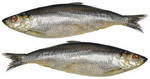
Looking for ways to make use of the 40 per cent of the herring catch that goes uneaten - and therefore to waste - researchers have been analysing the fish’s enzymes in the hope that it might offer new solutions across a number of applications. These range from cold-water laundry detergent and Alzheimer’s inhibitors to long-life food and drink preservatives for the Asian market.
Unlocking fishy secrets
“We are looking for enzymes in the herring residue and have already found 25 of them that look promising,” Diana Lindberg, a scientist with the herring research group at the Norwegian Institute of Food, Fisheries and Aquaculture Research (Nofima), said in an interview with FIS. At least one of these enzymes is expected to help food and beverages last longer.
Asked why it has taken so long to find out how unused herring enzymes might offer a wealth of practical food and health benefits, Lindberg explained: “Herring is a major catch that hasn’t been researched sufficiently. I think maybe it’s just too ordinary.”
New enzyme range for food processing
Meanwhile, Fenchem has announced it will use next month’s Fi Asia Indonesia event to launch its move into enzyme products for the food processing industry. The new range, Fenlyase, will include transglutaminase, lipase and papain.
The China-headquartered natural beauty and health company, which has been developing and manufacturing active ingredients for the last 17 years, serves the food, dietary supplements and functional food industries. It has had a busy summer with a series of new product launches, and announced some impressive early results from its Czech Republic-based European offshoot.
Fenchem’s new transglutaminase can be used as a binding agent to improve the texture of protein-rich foods. Lipase, meanwhile, can break down lipids into fatty acids, diglyceride, monoglyceride and glycerol. It can be applied in the baking industry to improve textures and flavours. And papain is one of the most common proteases, and is used widely in food processing for baking, meat tenderising and brewing.