Dark meat study seriously flawed
The best handled cattle I have seen are at Gathercoles Carrum Downs Melbourne and the meat cuts as p…The best handled cattle I have seen are at Gathercoles Carrum Downs Melbourne and the meat cuts as pink as a rose.
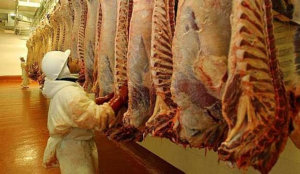
The findings of a recent study conducted by Australian researchers has challenged the long-held belief of the beef industry that flighty cattle are at a higher risk of producing dark, firm and dry meat.
Working in conjunction with the Department of Agriculture and Food (DAFWA) and Kylagh Cattle Company, Peter McGilchrist, a post-doctorate researcher, and student Stephanie Coombes from Murdoch’s School of Veterinary and Biomedical Sciences, found that calm cattle were not exempt from the issue of dark cutting syndrome.
Dark cutting is a complex problem caused by low muscle energy (glycogen) at the time of slaughter. Depletion of glycogen during the pre-slaughter period is controlled by many factors, one of which is the animal’s temperament.
Temperament affects how agitated cattle become and how much adrenaline they release during handling, and therefore, in theory, how much muscle energy they deplete between leaving the farm and slaughter.
The syndrome in beef carcasses produces meat that is dark in color, dry to eat, spoils quickly and has variable tenderness. It affected 3.6 percent of more than 2 million carcasses graded by Meat Standards Australia in the 2011/12 financial year, costing the beef industry millions of dollars.
In their study, funded by the Australian Meat Processors Corporation, Coombes and McGilchrist measured the temperament of 648 commercial lot fed cattle using flight speed, an electronic measure of how quickly an animal exits a weighing chute. Flightier animals will exit at a faster speed while quiet animals move more slowly.
Their results showed that as flight speed increased, muscle glycogen concentration in the loin muscle at the time of slaughter also increased, indicating that the cattle that had higher flight speeds were at a lower risk of producing dark cutting carcasses in this study.
Only 2 percent of the cattle in the study were graded as dark cutters (pH greater than 5.7 and/or meat color score of 4 or higher) and those carcasses were evenly distributed across the range of flights speeds measured.
“Even though calm cattle certainly have their production benefits, they are not exempt from the issue of dark cutting,” Coombes said.
Calmer cattle have been shown to have higher growth rates and more tender meat than flighty animals. These positive benefits have been shown in many different studies around the world.
McGilchrist suggested that producers need to continue to cull flighty cattle and minimize variation in temperament across a herd but also to habituate their quiet cattle to change.
He said that producers and processors also need to ensure that calm cattle are treated with as much care during the pre-slaughter period as their more reactive counterparts.
“The employment of common practices like yard weaning not only provide the benefit of improved handling ease but also provide the opportunity to desensitize cattle to potential stressors, such as being mustered or drafted,” McGilchrist said.
“All cattle also need to be exposed to changes in their environment, so that during the pre-slaughter period they don’t become as stressed and agitated.”