Disappointed with influenza vaccine? Try vitamin C!
Influenza is a hot topic in Winter. T he United Sstates Centers for Disease and Prevention (CDC) rec…Influenza is a hot topic in Winter. T he United Sstates Centers for Disease and Prevention (CDC) recommends that people older than 6 months should receive flu shots.
Flu shots often have very low efficacy and many people who have received the flu vaccine still contract the viral infection. And many people including doctors and nurses do not want flu vaccine because flu is often times not a severe medical condition for healthy people and they fear the vaccine may cause some potential side effects.
Then what else can people use to prevent influenza?
Evidence suggests that vitamin C (ascorbic acid) in high doses can prevent and cure influenza or commonly known as flu. Ideally, the dose may need to be as high as 5 grams per day for influenza prevention and 1 gram per hour for treatment in those who experience severe flu complications. In a flu pandemic, those suffering a highly virulent or deadly influenza virus may need to take 50 to 100 grams per day via IV injection and or orally, according to a review.
John T . A. Ely published his review on vitamin C, infectious diseases and overall health in the journal Experimental Biology and Medicine in 2007 at the time many countries were expecting a flu pandemic that might kill tens of thousands or even millions worldwide (that did not happen).
Influenza is one of many infections that vitamin C can help prevent and cure. Ely says that vitamin C can prevent and treat all types of viral infections including acute hepatitis. He emphasizes that vitamin C is actually not a vitamin (the name vitamin C may give people an impression that a minute amount would be sufficient).
Rather it is a nutrient that humans must obtain in large quantities from dietary supplements or foods to maintain health because they cannot make it themselves and they need a large amount.
Vitamin C helps fight viral infections because "Ascorbic acid markedly enhances immune functions.
Leukocytes require high AA (ascorbic acid) levels to drive the metabolic pathway called the hexose monophosphate shunt (HMS) to supply adequate hydrogen peroxide and ribose for effective phagocytosis and mitosis," Ely explains.
Ely says that in an influenza pandemic, vitamin C will be sold out quickly from drug stores. In such a case, foods will be the only source for life-saving vitamin C. T he following food items that contain high levels of vitamin C are cited in Ely's review. Use these foods as often as you can if you are reluctant to take vitamin C supplements or in an influenza pandemic, you don't have access to high doses of vitamin C.
Vitamin C or ascorbic acid in common foods (mg/100g)
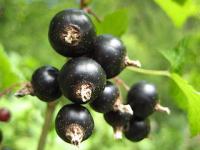
Black currant 200
Red capsicum 140
Broccoli 90
Kiwifruit 90
Brussels sprouts 80
Orange 70
Green capsicum 70
Persimmon 60
Silver beet greens 50
Orange juice 40
Cauliflower 40
Spinach 30
T omato 25
Cabbage 20
The foods do not seem able to provide megadoses of vitamin C. But they will surely help in some cases.
Ely says when a high absorption of vitamin C (about 300 mg/day) is achieved, white cells may protect against some level of influenza virus.
It is important for people who want to prevent influenza to avoid a high sugar diet. A high sugar diet will surely result in a condition called hyperglycemia, which prevents the transport of vitamin C to cells where vitamin C should be maintained at around 50 times the serum level to fight diseases. A good diet should exclude anything that tastes sweet and preferably contain foods with high fiber such as whole grains and lots of nutrient-rich vegetables.
Vitamin C is not just for the prevention or treatment of viral infections like influenza. Ely says thousands of enzymes in humans may need this nutrient to properly function and vitamin C deficiency can lead to premature aging and early death and many chronic diseases including cancer.