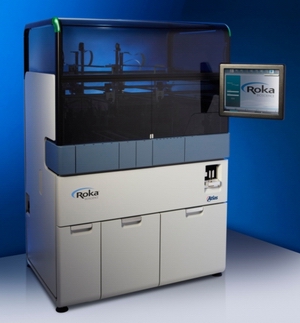
New machine washes fragile sweet potatoes clean using less water
It is not easy to wash something as fragile as a sweet potato. "Its skin is like not-quite-dry paint…It is not easy to wash something as fragile as a sweet potato. "Its skin is like not-quite-dry paint," says Joris Koenraadt of Maatschap Koenraadt. "It's hard to find a washing line that cleans well and is product-friendly." MCR Machinery's new washing line, however, has those two features. "We first had some potatoes washed in MCR's test line. We noticed an immediate shelf life improvement," he says.
Uses water sparingly
Because sweet potatoes are so fragile - any damage during washing dries them out and reduces storability, which must be prevented - you cannot use a drum washer. MCR Machinery's washing line washes completely differently, with the Undine cleaning technique developed by IWC. The sweet potatoes are sprayed with a water/air mixture at high speed. Dirt, bacteria, and mold are, thus, washed away. By mixing water with air, the machine uses at least 50% less water. Joris is pleased with that. "We reuse our washing water. If you use a lot of water, you must have a big system to clean the water; now, we can do so with less water. It's not that expensive, but it must be hot enough."
Improved storability
Joris is delighted that, after washing them this way, the potatoes' storability improved dramatically.
"The sweet potatoes used to start rotting three weeks after washing. No longer. We can now store them twice as long. We still have to see exactly how much longer," he explains.
Cultivating sweet potatoes has become a major part of Koenraadt's activities. They grow, store, and wash them and are busy launching their own brand: Polderjongens. Their primary business is still growing seed potatoes, but since the company is early with the seed potatoes, cultivating sweet potatoes fits in well with that. Joris says this expansion allowed them to buy the washing line. Sweet potato cultivation is evolving rapidly.
Last year the company grew these on 12 hectares for the fresh market; next year, it plans to wash 20 to 25 hectares of its own crop. "The machine should be able to handle ten tons/hour. Now, we can wash between seven and eight tons per hour. But we're still sorting out the too-small sweet potatoes by hand, so we're running three to four tons a hour. We'll, thus, soon expand the washing line with a sorting function," Joris concludes.