F.A.O. pushes cassava as 21st Century crop
A combination of better cultivation practices, improved technology and disease-resistant varieties h…A com
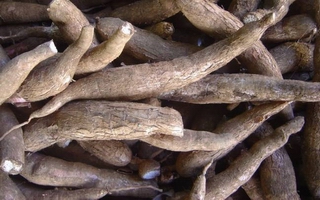 bination of better cultivation practices, improved technology and disease-resistant varieties has the potential to make cassava a more important crop in the 21st Century, according to “Save And Grow: Cassava, a guide to sustainable production intensification.” The Food and Agriculture Organization of the United Nations released the guide May 28. Improved farming methods potentially may increase cassava yield by 400%, according to the F.A.O.
Cassava’s roots have carbohydrates while its leaves contain protein, iron, calcium, vitamin A and vitamin C. Other parts of the plant may be used as animal feed.
Cassava may be processed into flour that partially may substitute for wheat flour. American Key Food Products, Closter, N.J., offers King Lion cassava flour that may be used in gluten-free foods.
Smallholder farmers in more than 100 tropical and subtropical countries grow cassava (Manihot esculenta Crantz). The F.A.O. estimates global harvest in 2012 at more than 280 million tonnes, a 60% increase since 2000. Over the past decade global average yields have increased by nearly 1.8% to 12.8 tonnes per hectare (about 2.5 acres).
Higher yields may be achieved through the use of improved soil health instead of heavy use of chemical inputs, according to the F.A.O. guide, which also recommends a protective cover of vegetation over soil, mixed cropping and crops rotation.
In Vietnam, farmers used improved technologies and practices to boost cassava yields by more than 400% to 36 tonnes from 8.5 tonnes. In the Democratic Republic of Congo, farmers increased yields by up 250% after attending field schools and learning about healthy planting materials, mulching and intercropping. In Colombia, rotating cassava crops with beans and sorghum restored yields where mineral fertilizer had failed when used alone.
The F.A.O. also promotes the development of higher-yielding cassava varieties. Wild relatives of cassava may contribute to the breeding of varieties that are more resistant to disease and pests.