All supermarkets to adopt 'traffic-light labelling' for nutrition
All major supermarkets will finally adopt a version of "traffic-light labelling" to help end confusi…
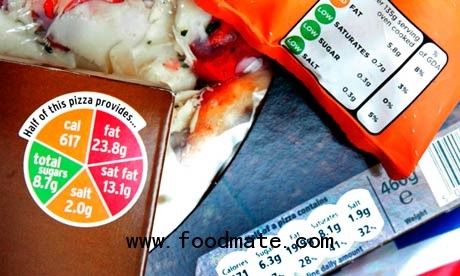
All major supermarkets will finally adopt a version of "traffic-light labelling" to help end confusion about which are the healthiest and unhealthiest foods, the government will announce on Wednesday.
Ministers have agreed with industry officials that leading food producers and retailers will use a consistent, UK-wide form of front-of-pack labelling from the middle of next year.
Called a "hybrid system" by the Department of Health, it will combine colour coding, guideline daily amounts – which research has shown many consumers find baffling – and the words high, medium or low to describe certain ingredients, though the exact form has not yet been finalised.
The aim is to make it much easier for consumers to quickly tell the fat, salt, sugar, saturated-fat and calorie content of particular foods from the colour used. Morrisons, Aldi and Lidl, which had opposed traffic lights, have now agreed to introduce them in some form.
Health campaigners welcomed the move. "We are delighted that the government has finally agreed to recommend front-of-pack traffic-light labelling," said Charlie Powell, director of the Children's Food Campaign. "You won't have to be a maths genius any more to work out which is the healthier product to buy.
"Of the top 10 supermarkets, only Iceland is left out in the cold and is still refusing to commit to using traffic-light labelling. Big food manufacturers must now also confirm their commitment to traffic lights, or else be shamed."
Anna Soubry, the public health minister, said: "The UK already has the largest number of products with front-of-pack labels in Europe but research has shown that consumers get confused by the wide variety of labels used. By having a consistent system we will all be able to see at a glance what is in our food. This will help us all choose healthier options and control our calorie intake.
"Obesity and poor diet cost the NHS billions of pounds every year. Making small changes to our diet can have a big impact on our health and could stop us getting serious illnesses – such as heart disease – later in life."