Neogen pathogen DNA confirmation method receives letter of no objection
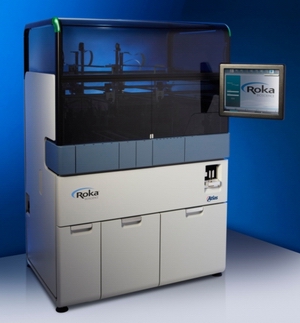
The NeoSEEK method received a letter of no objection from the US Department of Agriculture’s (USDA)…The NeoSEEK method received a letter of no objection from the US Department of Agriculture’s (USDA) Food Safety and Inspection Service (FSIS) to detect Shiga toxin-producing strains of E.coli (STECs).
Confirmation method
The letter of no objection allows the use of the NeoSEEK STEC system as a confirmatory method for six STEC serogroups (O26, O45, O103, O111, O121, and O145).
The confirmation method is different than the USDA approval given to detection methods from firms such as DuPont Qualicon and BioControl Systems.
The system is comparable to the USDA reference method, FSIS MLG 5B.02, which can take three or more days to achieve a confirmatory result, while Neogen claim their method provides results within 24 hours.
It assays a number of independent genetic markers to detect and identify pathogens, which provides actionable results quicker than conventional cultural methods.
NeoSEEK provides confirmatory results from the enrichment broth, eliminating the need for single colony isolation and allowing for accuracy while delivering quicker confirmatory results.
The letter allows companies to use the system to comply with the USDA’s regulation that requires the testing of raw beef trim for six new STEC serogroups as well as 0157:H7.
Customer assurance
“The letter from the USDA provides further assurance to our customers that our NeoSEEK system performs as designed,” said James Herbert, Neogen’s chairman and CEO.
“As worldwide food regulation has evolved to address newly identified threats to our global food supply, such as STECs, Neogen’s test systems have evolved to rapidly and accurately detect those threats.
“NeoSEEK provides the DNA-definitive test the food industry needs that has been proven to be comparable to the older reference method, yet provides much quicker results.”
Neogen received the USDA’s letter of no objection as a result of studies validating the effectiveness of the system.
The technology uses mass spectrometry-based multiplexing to determine the genetic composition of bacteria in a food sample, and then compares those results with the known genetic makeup of the target E.coli strains to identify and differentiate the target strains.
The FSIS announced in June that it would start testing for the six non-0157 strains of Shiga toxin-producing E.coli (STEC) in raw beef manufacturing trimmings.