UK experts: Eat skin of fruit and veg as well
UK experts want us to believe that eating the skin of fruit and veg could help improve your mood, m…UK experts want us to believe that eating the skin of fruit and veg could help improve your mood, make you look forever young (maybe) and even reduce the risks of cancer.
Various studies seem to have confirmed this, with fruits such as banana, kiwi and even pineapple in the list of fruits which should keep their skins ON to reap all the benefits.
Oranges
According to a 2004 study in the Journal of Agriculture and Food Chemistry, powerful antioxidants called super flavonoids found in orange and tangerine peels can reduce levels of total cholesterol and ‘bad’ LDL cholesterol, without lowering the ‘good’ HDL levels. Antioxidants obtained from the peel were 20 times more powerful than those from the juice.
“The same goes for all citrus fruits,” says nutritionist Anita Bean. “Although we throw away the peel because of the bitter taste, the pith contains high levels of pectin, a component of dietary fibre known for its jam-setting qualities, which helps lower cholesterol and acts like a prebiotic, helping colonise the gut with beneficial bacteria.”
Apples
Peeling the skin off an apple means throwing away the fibre. “Almost half the vitamin C lies within 1 mm of the skin’s surface so you’re losing that too,” Anita says. “And most of the fragrance cells are in the skin, so you can have a tasteless fruit if you peel it.”
Garlic
According to a 2003 report in the Journal of Agricultural and Food Chemistry, garlic skin is recognised for having powerful antioxidant properties, and researchers from the Wakunaga Pharmaceutical company in Japan identified six antioxidant compounds within its skin.
Bananas
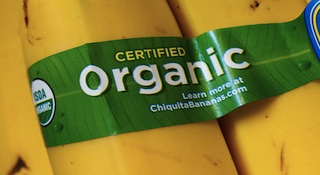
A Taiwanese research team from Chung Shan Medical University discovered that banana peel extract can ease depression because it’s rich in the mood-balancing hormone serotonin. It also protects your retinas because it contains lutein, an antioxidant from the carotenoid family, which protects eye cells from exposure to ultraviolet light, a cause of cataracts.
Pineapple
Along with fibre and vitamin C, pineapple’s real health benefits lie in the enzyme bromelain, which can break down many times its own weight of protein in a few minutes. This makes it excellent for people with indigestion as food is digested and absorbed quicker, Anita says.
Mirror.co.uk writes that bromelain is an anti-inflammatory too, so eat pineapple if you are suffering from hay fever, arthritis or gout. “The core actually contains twice the bromelain concentration of the fruit. Canning destroys the bromelain content, so throwing away the core is a real no-no nutritionally,” she says.