Quinoa may have positive effect on digestion for Coeliacs
Adding quinoa to the gluten-free diet of patients with Coeliac Disease is well-tolerated and does no…Adding quino
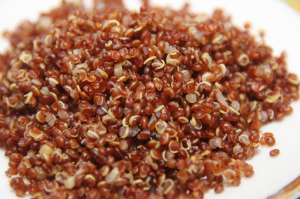 a to the gluten-free diet of patients with Coeliac Disease is well-tolerated and does not exacerbate the condition, according to new research from King’s College in London.
The research, published on 21 January 2014 in the journal The American Journal of Gastroenterology, evaluated the in-vivo effects of consuming quinoa in adult coeliac patients. Quinoa, a high nutritious grain, is traditionally recommended as part of a gluten-free diet. However, in-vitro data suggests that quinoa storage proteins can stimulate innate and adaptive immune responses in coeliac patients.
Coeliac disease is an immune-based reaction to dietary gluten (storage protein for wheat, barley and rye) that primarily affects the small intestine in those with a genetic predisposition and resolves with the exclusion of gluten from the diet.
“The clinical data suggests that daily consumption of quinoa (50 grams) can be safely tolerated by coeliac patients,” said Dr Victor F. Zevallos, from the Department of Gastroenterology, King’s College London. “”Median values for all the patients’ blood tests remained within normal ranges, and triglycerides and both low and high density lipoproteins decreased,” he said.
“We also found a positive trend towards improved small intestine morphology, particularly a mild hypocholesterolemic (very low cholesterol) effect,” Dr Zevallos said. “It’s important to note that further studies are needed to determine the long-term effects of quinoa consumption in people with coeliac disease,” he said.
Study method
The study tracked nineteen coeliac patients as they consumed 50 grams of quinoa every day for six weeks as part of their gluten-free diet. Participants were free to choose the cooking method for the quinoa.
Dr Zevallos and the other researchers evaluated diet, serology (plasma and other bodily fluids) and gastrointestinal parameters, as well as detailed histological assessments of ten of the patients before and after consuming quinoa. Full blood count, liver and renal profile were used to follow the health status of all the patients. Iron, vitamin B12, serum folate and lipid profile were also used to determine any effects of quinoa on the patients’ gluten-free diet.