Older mice fed goji berries show reduced risk of flu virus with vaccine
The research, led by scientists at the Jean Mayer USDA Human Nutrition Research Center on Aging (USD…The research, l
 ed by scientists at the Jean Mayer USDA Human Nutrition Research Center on Aging (USDA HNRCA) at Tufts University, suggests the wolfberry may increase the activity of dendritic cells, which play an important role in the ability of the immune system to defend against viral infections. The results were published online ahead of print today by the Journal of Nutrition.
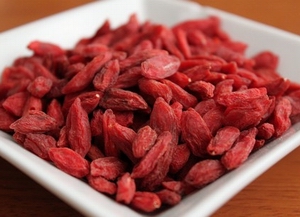
Older mice, with immune systems weakened by age, were placed on diets that included a small amount of a milk preparation of wolfberry fruit, also known as goji berries. Over a period of several weeks, they received two flu vaccines before being infected with the flu virus and monitored for signs of symptoms. The researchers then tested for specific influenza antibodies as well as the clinical symptoms of the disease such as weight loss among the mice.
“We observed higher antibody response and better protection against flu as indicated by less weight loss in the older mice that consumed wolfberries,” said senior author Simin Nikbin Meydani, D.V.M., Ph.D., director of the USDA HNRCA at Tufts University and director of the Nutritional Immunology Laboratory at the USDA HNRCA. “While previous studies have shown that wolfberries bolster immune response in mice, our results introduce their potential to reduce the age-related risk and severity of the flu virus in the presence of the vaccine.”
Further research is also needed to determine whether wolfberries could have a similar effect in older humans who receive the flu vaccine. “People’s immune systems inevitably weaken with age, making them less responsive to the vaccine and more susceptible to the flu and its potentially serious complications,” said Meydani, who is also a professor at the Friedman School of Nutrition Science and Policy and a member of the immunology program faculty at the Sackler School of Graduate Biomedical Sciences, both at Tufts University. “While flu vaccination is recommended for older people, the vaccine is only 40% effective in protecting older adults against flu infection, which is much lower than that afforded to younger people. For those reasons, it is important to investigate complimentary approaches that may enhance the effectiveness of vaccination.”