Mandatory iodised salt in bread improves Tasmanian health
The mandatory addition of iodised salt to the majority of bread sold in Australia since 2009 has had…
Th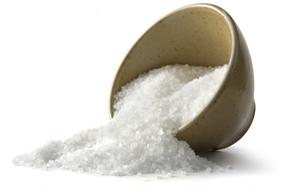 e mandatory addition of iodised salt to the majority of bread sold in Australia since 2009 has had a positive effect on the iodine status of Tasmania’s population, according to research published in the May 2013 edition of the Medical Journal of Australia.
The introduction of iodised salt in bread has returned the iodine status of the State’s population to “optimal”, reversing a history of iodine deficiency in Tasmania.
Various iodine strategies have been tried in the State since the 1950s, including a voluntary iodine fortification program, which was introduced in October 2001. The voluntary program resulted in a “modest by significant improvement” in Tasmanians’ iodine levels, but authors of the latest study say making fortification compulsory “has proven to be the key”.
Iodine is an essential nutrient needed in small amounts for a healthy thyroid gland and for normal growth and development. Iodine is especially important during pregnancy and breastfeeding for the normal development of a baby’s brain and nervous system. Even a mild to moderate iodine deficiency can affect growth and development in unborn babies, infants and young children.
Iodine deficiency has re-emerged in Australia with the introduction of new practices of sanitisation and a decline in use and consumption of iodised salt. Tasmania in particular has a long history of iodine deficiency because of the nature of the State’s soil.
Population iodine status is considered “optimal” when the median urinary iodine concentration (UIC) falls between 100 and 199 ug/L, with not more than 20 per cent of sample 50 ug/L or less.
The authors took urine samples from 320 Tasmanian school students aged 8 to 13 years, from 37 participating school classes in various parts of the State. Analysis found that the median urinary iodine concentration (UIC) was 129 ug/L, with 3.4 per cent of samples below 50 ug/L.
This was “significantly higher than during the period of voluntary fortification”, where UIC was 108 ug/L, and compared to pre-fortification levels, where UIC was 73 ug/L.
Kate DePaeoli, senior public health nutritionist with the Department of Health and Human Services’ Population Health Group, warned that although the results of their research were positive, they could not be generalised to high-risk groups such as pregnant and breastfeeding women, where daily iodine requirements increased “by approximately 40 per cent”.
“Ongoing awareness of the recommendation that pregnant and lactating women take 150 ug of supplemental iodine per day should not be overlooked, particularly in those parts of Australia where marginal iodine deficiency has been previously reported,” the authors of the study wrote.
e mandatory addition of iodised salt to the majority of bread sold in Australia since 2009 has had a positive effect on the iodine status of Tasmania’s population, according to research published in the May 2013 edition of the Medical Journal of Australia.The introduction of iodised salt in bread has returned the iodine status of the State’s population to “optimal”, reversing a history of iodine deficiency in Tasmania.
Various iodine strategies have been tried in the State since the 1950s, including a voluntary iodine fortification program, which was introduced in October 2001. The voluntary program resulted in a “modest by significant improvement” in Tasmanians’ iodine levels, but authors of the latest study say making fortification compulsory “has proven to be the key”.
Iodine is an essential nutrient needed in small amounts for a healthy thyroid gland and for normal growth and development. Iodine is especially important during pregnancy and breastfeeding for the normal development of a baby’s brain and nervous system. Even a mild to moderate iodine deficiency can affect growth and development in unborn babies, infants and young children.
Iodine deficiency has re-emerged in Australia with the introduction of new practices of sanitisation and a decline in use and consumption of iodised salt. Tasmania in particular has a long history of iodine deficiency because of the nature of the State’s soil.
Population iodine status is considered “optimal” when the median urinary iodine concentration (UIC) falls between 100 and 199 ug/L, with not more than 20 per cent of sample 50 ug/L or less.
The authors took urine samples from 320 Tasmanian school students aged 8 to 13 years, from 37 participating school classes in various parts of the State. Analysis found that the median urinary iodine concentration (UIC) was 129 ug/L, with 3.4 per cent of samples below 50 ug/L.
This was “significantly higher than during the period of voluntary fortification”, where UIC was 108 ug/L, and compared to pre-fortification levels, where UIC was 73 ug/L.
Kate DePaeoli, senior public health nutritionist with the Department of Health and Human Services’ Population Health Group, warned that although the results of their research were positive, they could not be generalised to high-risk groups such as pregnant and breastfeeding women, where daily iodine requirements increased “by approximately 40 per cent”.
“Ongoing awareness of the recommendation that pregnant and lactating women take 150 ug of supplemental iodine per day should not be overlooked, particularly in those parts of Australia where marginal iodine deficiency has been previously reported,” the authors of the study wrote.