Get rid of acne by ridding your diet of high glycemic foods and dairy
A study published recently in the Journal of the Academy of Nutrition and Dietetics found increasing…
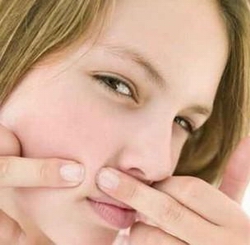 A study published recently in the Journal of the Academy of Nutrition and Dietetics found increasing evidence of a connection between diet and acne, especially in the presence of high glycemic load diets and dairy products. Researchers said that medical nutrition therapy (MNT) could mitigate the problem and "play an important role in acne treatment," according to a press release.
Scientists note that more than 17 million Americans suffer from acne - some of it very severe - mostly during their adolescent and young adult years. They also note that acne tends to play an influential role in quality of life; the condition leads to social withdrawal, anxiety and often depression, making treatment very essential.
Revisiting the acne-diet link
For more than a hundred years, since the late 1800s, scientists note that research has linked diet to this common skin disorder. Chocolate, sugars, fat and other foods have been singled out as playing major roles in causing or worsening acne, though beginning in the 1960s, studies began to dissociate diet from acne.
"This change occurred largely because of the results of two important research studies that are repeatedly cited in the literature and popular culture as evidence to refute the association between diet and acne," Jennifer Burris, MS, RD, of the Department of Nutrition, Food Studies, and Public Health, Steinhardt School of Culture, Education, and Human Development, New York University, said.
"More recently, dermatologists and registered dietitians have revisited the diet-acne relationship and become increasingly interested in the role of medical nutritional therapy in acne treatment," she added.
Burris and colleagues, including William Rietkerk, Department of Dermatology, New York Medical College, and Kathleen Woolf, of New York University's Department of Nutrition, Food Studies, and Public Health, performed a literature review of existing research data to evaluate any evidence linking diet to acne during three noteworthy periods: early history, the rise of the diet-acne myth and recent research.
Diet may influence or aggravate acne formation
Combining data culled from studies between 1960 and 2012 that examined the diet-acne link, researchers compiled information from several study characteristics including reference, participants, study design, intervention method, primary outcome, results and conclusions, and other considerations.
The scientists concluded "that a high glycemic index/glycemic load diet and frequent dairy consumption are the leading factors in establishing the link between diet and acne," the press release said.
They also found that despite the fact research results from studies conducted over the past decade do not demonstrate that diet causes acne, they found evidence that diet may in fact influence acne formation or aggravate it.
The research team recommended that dermatologists and registered dieticians work together to design and conduct quality research, in an effort to reach a definitive conclusion on any diet-acne link.
"This research is necessary to fully elucidate preliminary results, determine the proposed underlying mechanisms linking diet and acne, and develop potential dietary interventions for acne treatment," Burris said. "The medical community should not dismiss the possibility of diet therapy as an adjunct treatment for acne. At this time, the beset approach is to address each acne patient individually, carefully considering the possibility of dietary counseling."
As always, there is a natural treatment
If you do find yourself battling acne, alternative medicine experts recommend several natural ways to combat it.
For one, you could try applying a combination of lemon juice, tea-tree oil and aqueous cream after showering before bed. Apply the lemon juice to your face after toweling off (this may sting some), followed by the application of a small amount of tea-tree oil followed by a copious amount of aqueous cream. If you can't lie on your back all night, rub the cream into your face after about a half hour.
There are others, but follow up this and any other treatments by eating three kiwi fruits daily along with about three-fourths of a cup of raw carrots.