Red yeast rice lowers cholesterol, prevents heart disease as effectively as statins
Studies show that red yeast rice, a food product that is used to brew rice wine in China, is as effe…Studies show that red yeast rice, a food product that is used to brew rice wine in China, is as effective as statins in lowering cholesterol, which is linked to high risk of heart disease. A recent review published in Complementary Therapies in Medicine has confirmed the efficacy.
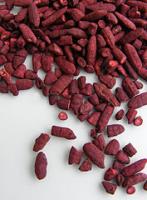
C.W. and S.A. Mousa of The Pharmaceutical Research Institute at the Albany College of Pharmacy and Health Sciences in Rensselaer, New York, USA reviewed previous studies and found red yeast (Monascus purpureus) rice effectively lowered low density lipoprotein (LDL) cholesterol and total cholesterol. LDL cholesterol is considered the bad cholesterol that increases risk of heart disease.
Trials have been conducted to examine the effect of red yeast rice on high cholesterol, coronary heart disease, diabetes mellitus, osteoporosis, cancer, non-alcoholic fatty liver disease, fatigue and memory.
Red yeast rice is made by growing red yeast Monascus purpureus on cooked rice. Red yeast rice contains Monacolin K or Lovastatin and other active components that help prevent a range of diseases related to cholesterol.
Lovastatin or Merch's Mevacor is a member of the drug class of statins. This is a naturally occurring drug found not only in red yeast rice, but also oyster mushrooms.
For the review, the authors did searches for studies on red yeast rice and cholesterol or related diseases like heart disease, using keywords including "red yeast rice, Xuezhikang, Hypocol, Cholestin, Monascus purpureus combined with dyslipidemia, hypercholesterolemia, hyperlipidemia, lipid, cardiovascular, coronary, atherosclerosis, diabetes, sugar, bone, osteoporosis, liver, fatigue, memory, Alzheimer's, dementia". The authors primarily examined the effect of red yeast rice on dyslipidemia or high cholesterol and or high triglycerides.
In addition to having an effect on LDL cholesterol and total cholesterol, red yeast rice also has a beneficial effect on triglycerides and high density lipoprotein (HDL) cholesterol.
Specifically, studies found red yeast rice is as effective as statins in lowering cholesterol.
Additionally, red yeast rice can help prevent nonfatal myocardial infarction, total coronary heart disease events and mortality.
Data on the effect of red yeast rice on "diabetes, osteoporosis, cancer, non-alcoholic fatty liver disease, fatigue, and memory" are limited.
Food consumers who want to lower cholesterol to prevent heart disease may want to try red yeast rice before taking prescription statins, which are known to cause side effects.
Statins including Lovastatin can but rarely cause myopathy or rhabdomyolysis, which can be life-threatening if not recognized and treated in time. Those who are on statins should talk to their doctors if they experience any unexplained muscle pain or weakness.