USDA relaxes federal school lunch rules amid criticism
In response to mounting criticism from parents, students and lawmakers alike regarding new federal s…In response to mounting criticism from parents, students and lawmakers alike regarding new federal school lunch standards enacted July 1, 2012, the U.S. Department of Agriculture (USDA) on Dec. 7 announced it is relaxing the rules and removing calorie limits on grains and meats in schools.
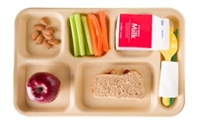
The new federal standards required most schools receiving federal funds for breakfast and lunch to increase fruits, vegetables and whole grains, while reducing sodium, saturated fat and trans fat among other things.
The rules, the first major overhaul of school nutrition standards in 15 years, stemmed from the Healthy, Hunger-Free Kids Act of 2011 and better align school-meal nutrition with the Dietary Guidelines for Americans and are intended to help curb rising obesity rates.
In a letter sent to Congress, USDA Secretary Tom Vilsack said the agency is carefully monitoring the implementation of the new requirements to ensure that the updated standards are workable and contain enough flexibility for local schools and school districts.
Vilsack said feedback from states and schools showed a top operational challenge is in serving meals that fit within the weekly minimum and maximum serving ranges for the grains andmeat/meat alternate portions of the standards.
USDA relaxed the rule and said if a school is meeting just the minimum serving requirements for these two food groups, they will be considered in compliance with that portion of the standards, regardless of whether they have exceeded the maximum. This flexibility is being provided to allow more time for the development of products that fit within the new standards while granting schools additional weekly menu planning options to help ensure that children receive a wholesome, nutritious meal every day of the week.
The letter also stressed implementation is a process that takes time, and as the school year progresses we will continue listening and providing education, technical assistance, and flexibilities where appropriate. There are a number of options currently available to deal with potential additional challenges, such as feeding very active students.
Parents, individual students and/or sports teams can supplement the taxpayer-subsidized meals with items provided from home or other sources. Students are always permitted to purchase as much additional food a la carte as they want. Schools also can make larger portions of fruits and vegetables (or even milk) available at lunch and structure afterschool snack and supper programs to provide additional foods for those who need them.